
Skip to content

The fence

How to start plane spotting in the UK

How to start plane spotting in the UK is mostly a decision about where to stand. A mid-size airport, the end the wind is using, and a notebook. The kit can wait. The aircraft at a regional field pass close enough to learn from, with a pause between them.

Stay on public land. If the day is work or weather, the same interest continues at home: what is actually overhead.

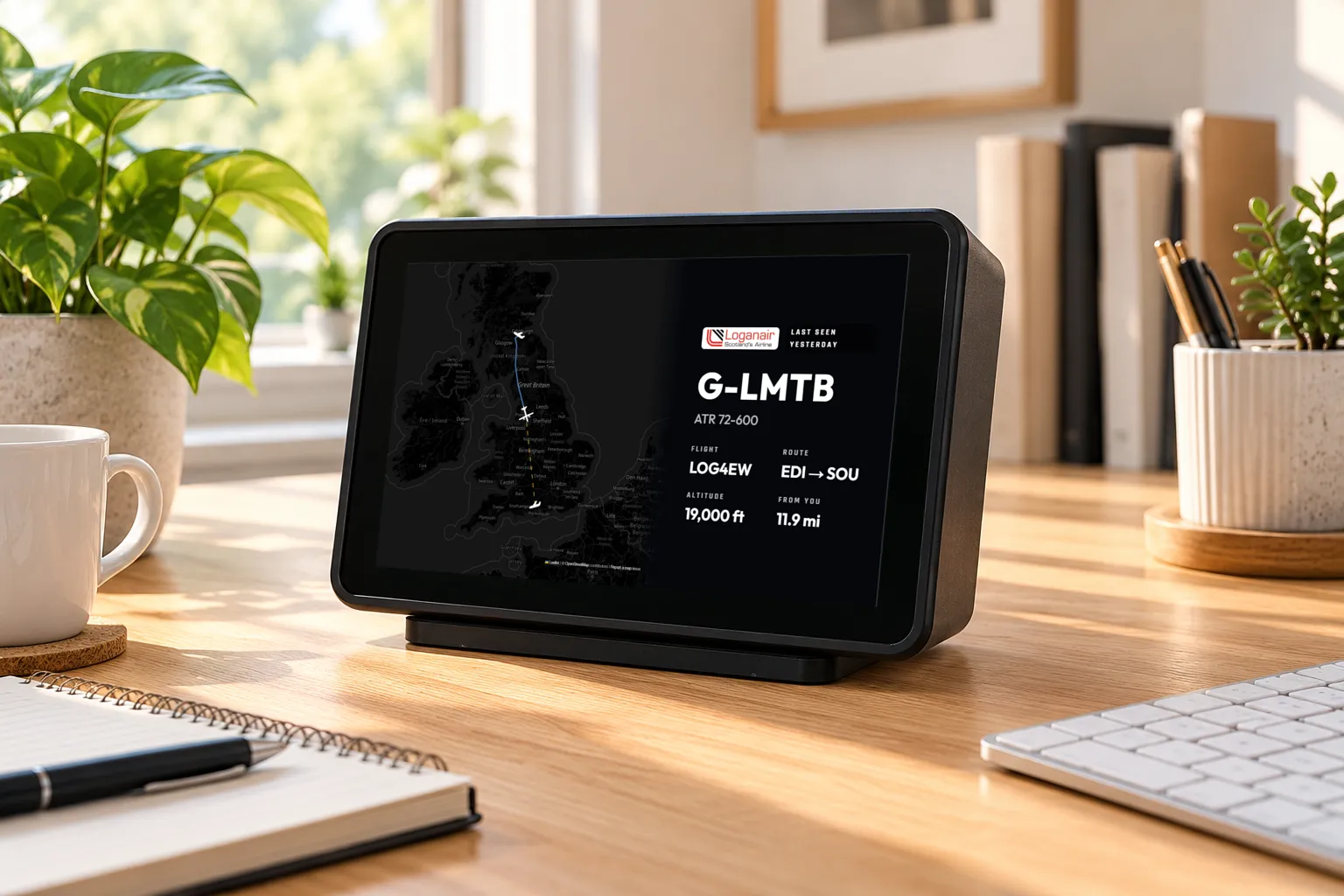
FlightAbove Horizon showing a live flight map on a desk
The days you do not drive to a fence still have aircraft in them.

Pick a kind of place

Where in the UK is worth a first visit

Busy is not the same as good. What matters first is how close the aircraft pass, then whether you are staring into the sun, then whether you can stay there. Traffic volume is the thing beginners chase, and the thing that matters least on day one.

park

An official visitor park

Start here when one exists. You are allowed to be there, there is usually parking, and the people who know the airfield are already around. Manchester Airport's runway visitor park is the best known in the country. Check the airport's own page before you drive, because viewing areas move.
flight

A regional airport

Bristol, Birmingham, East Midlands, Newcastle, Edinburgh and airports of that size are where a first afternoon usually goes well. Movements have gaps. The aircraft are close enough to read a type without a long lens.

connecting_airports

A major hub

Heathrow is the busiest, and the aircraft are farther away. Gatwick, Stansted and Luton each have known public spots and are easier to follow than Heathrow on a first visit. Go for the volume once you already know what you are looking at.

shield

A military airfield

A different set of rules, and access that changes by station. Read what that place publishes. A perimeter road is not an invitation onto the site.

Before you leave

The wind picks the end you want

Aircraft take off and land into the wind. A forecast is enough to know which runway direction is likely, and that decides which side of the airport is worth standing on. Two hours in the car to the quiet end is the mistake everyone makes once.

Light matters too. A spot that faces the sun for most of the day is hard to watch from, and hopeless for photographs. In Britain the sun sits low for a long stretch of the year, so the "good" side in June can be the glaring side in November.

The same wind rule is why the line over a house moves. Why the same aircraft cross one roof is the indoor version of this.

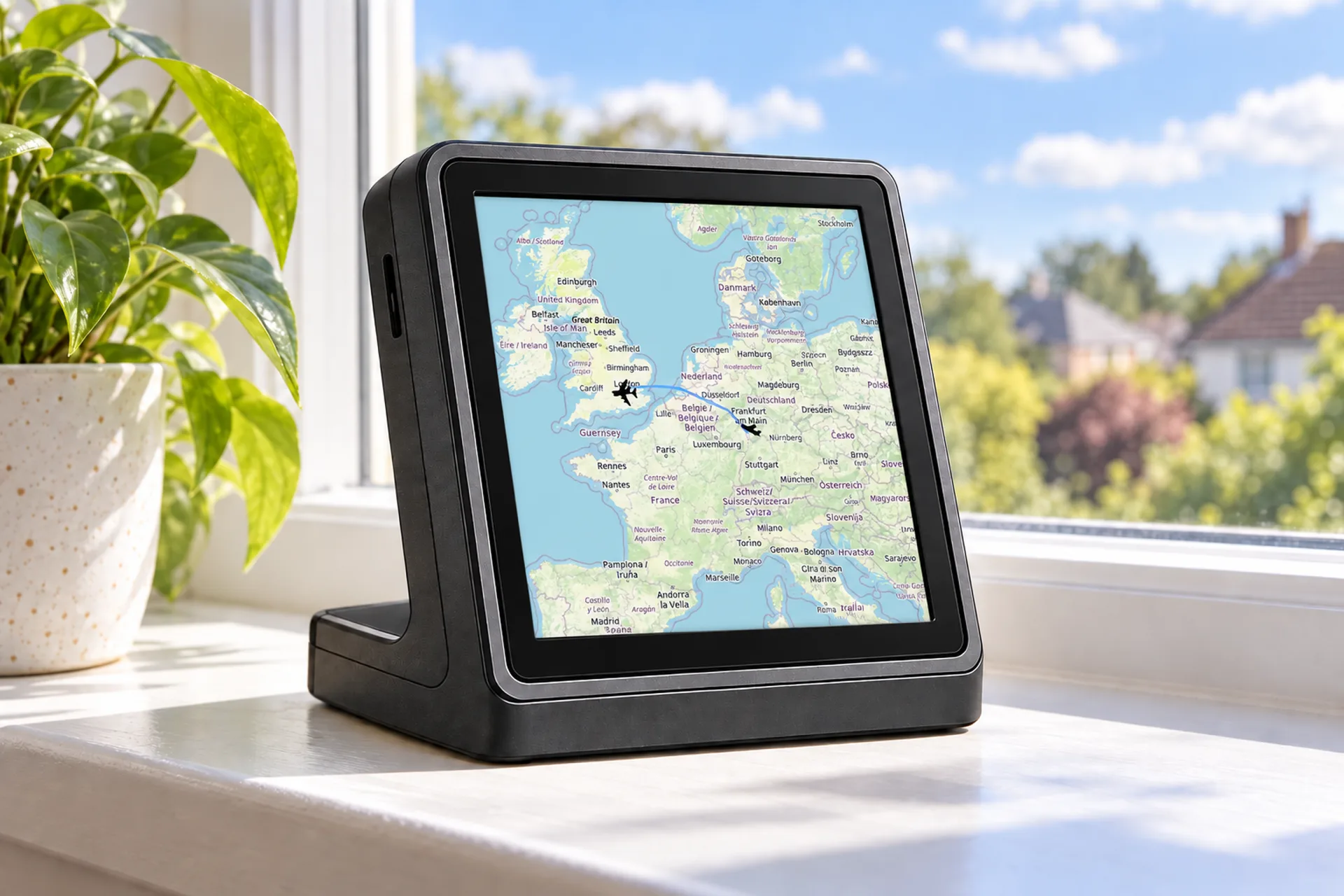
FlightAbove Mini radar showing aircraft around a house
Runway direction changes the line. At home you see whichever way the wind turned the airport.

Almost nothing

What to take, in the order it matters

1

A coat

This is Britain. The viewing spot that looked fine at home is a different place after an hour of drizzle.

2

Something to write in

A notebook is the hobby. Without a list, you watched aircraft. With a list, you are collecting airframes.

3

Binoculars, later

A pair you can hold steady is the first thing worth buying, after you have been a few times and know you will go back. You do not need them to start.

4

A stool, if you stay

Once the visits get long, somewhere to sit matters more than a better lens.

5

A camera, only if you want one

Photographs are a second hobby that shares the fence. Plenty of people log for years and never take a picture.

6

The airport's own page

Viewing areas, parking and which spots are currently open. More useful than any kit list.

The list

Write the registration first

The usual line is registration, aircraft type, operator, and the date. The registration is the one that matters. It is that airframe, not today's flight. Tomorrow the same flight number may be a different aircraft, and the one you saw may be on a different route.

The point of the list is that an ordinary afternoon starts to count. A type you have already logged is background. A registration you have not seen is the event, even if the aircraft itself is common.

Registration

The airframe. G-ABCD, not the flight number.

Type

What it is. A320, 737, a turboprop. You will get faster at this.

Operator

Who is flying it today. Useful, and it changes with leases.

Date

So the list is a record, not a pile of codes.

Stay obvious

Public land is fine. Airside is not yours.

In the UK

Watching and photographing aircraft from a footpath, a road or a published viewing area is legal. You do not need permission to look up.

The fence

Operational areas and the airport side of the perimeter are private. If staff ask you to move, move. That request is ordinary, not a confrontation.

Abroad

Some countries treat airfield photography as a security matter. The UK habit does not travel. Check before you go, and do not assume a perimeter road is public.

The other days

Most spotting happens at home

Weather, work and distance mean the fence is the rare day. FlightAbove is for the rest: the aircraft near the house, with callsign, type, a photo of the type, a route when one is known, height and speed. You set how far to look, out to 250 km.

It does not replace standing somewhere you can see the airframe. Spotters tend to treat a live display as the indoor half of the same habit. If the person you are buying for follows aviation without ever logging a registration, they may be an AvGeek rather than a spotter, and the gift guide is the safer read.

Hardware from £99.00, paid once, produced in the United Kingdom

At the fence

Registration, type, the aircraft in front of you.

On the desk

Whatever is in range of the house, named as it passes.

A quiet window

A clock and the weather. Not a guessed aircraft.

Quick answers

Questions about plane spotting

What do you need to start plane spotting?

A public place to stand, a coat, and something to write the registration in. That is a first visit. Binoculars help once you have been a few times. A camera is a different hobby that happens to share a fence.

Is plane spotting legal in the UK?

Watching and photographing aircraft from public land is legal in the UK. The airport side of the fence is private, and staff can ask you to leave an operational area. Other countries treat it much more strictly, so check before you travel.

Where should a first plane spotting trip be?

A mid-size regional airport, or an official visitor park, rather than a major hub. The aircraft pass closer and there is a gap between them. Manchester Airport's runway visitor park is one of the few places in the country laid out for watching.

How do I know which end of the runway to stand at?

Aircraft take off and land into the wind, so the forecast tells you which direction is in use. Check it before a long drive. The wrong end of the airfield is a long way to discover you are looking at departures from behind.

What do plane spotters write down?

Registration first, then type, operator and the date. The registration is the individual airframe. The flight number will be a different journey tomorrow, so a list of flight numbers does not add up the way a list of airframes does.

Can I plane spot at a military airfield?

Only where the station allows it, and the rules are local. A civilian viewing park and a military perimeter are not the same kind of place. Read what that station publishes before you go, and stay on the public side.

What about the days I cannot get to an airport?

Most days are those days. FlightAbove names the aircraft near the house: callsign, type, a photo of the type, route when one is known, height and speed, out to 250 km. It is the indoor part of the same interest.

What is an AvGeek? · What are planes overhead? · Aviation gift guide

Fence, then desk

Go once. Then name the ones at home.

A public spot and a notebook for the trip. A display for the other days. Produced in the United Kingdom. Hardware paid once.